Riyadh · Dubai Online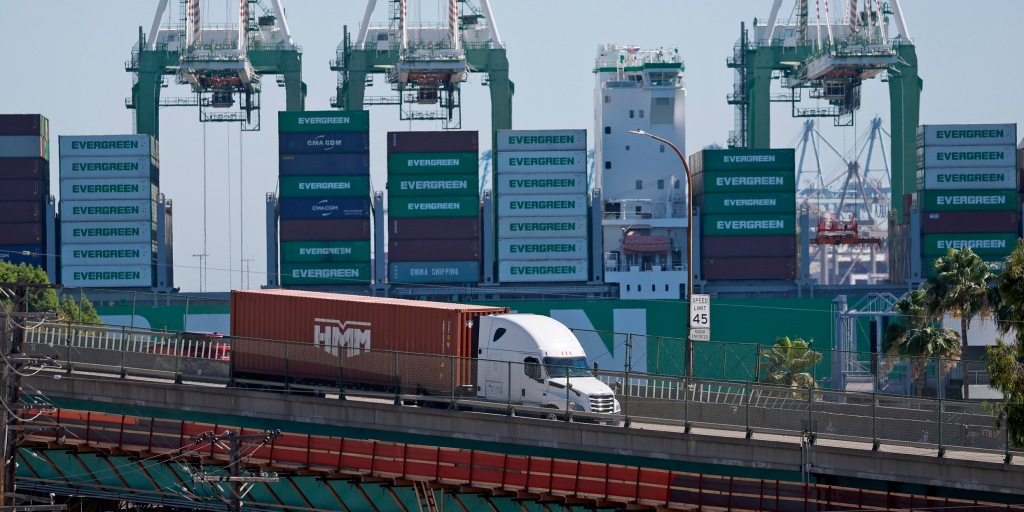
Businesses were hit by inflation last month at levels not seen since late 2022. The latest U.S. wholesale inflation report showed that prices paid by businesses to produce goods in September jumped sharply, to 6.3% on an annual basis. From August, prices overall rose 0.6%, the Producer Price Index report showed.
The PPI report is typically seen as a sign of what’s to come for consumer prices, and this one followed a Consumer Price Index report Wednesday which also reflected a jump in prices. Both reports indicate that inflation is back on the rise. But unlike high inflation earlier this year, the current impacts of rising prices are distributed broadly across the entire economy — beyond merely those sectors exposed to soaring gas, diesel and jet fuel prices.
The consumer and producer price indexes are also the last major inflation readings before voters across the country head to the polls in the midterm elections. At many locations, early voting is already underway. Oil and gas prices have soared ever since the U.S. and Israel attacked Iran in February.
“Half of the September increase” in producer prices was from the rising cost of gas, the Bureau of Labor Statistics said Thursday . Likewise, prices for “diesel fuel, fresh and dry vegetables, jet fuel, residential electric power, and crude petroleum also rose.” Economists say that the most troubling recent price hikes have been those for diesel. Diesel fuel is critical to powering the farming, transportation and shipping sectors.
When diesel prices go up, the knock-on effects of those higher costs can show up in just about every sector of consumer goods. Months of efforts by the Trump administration to bring down prices have failed to make a meaningful dent in rising costs. All of the key numbers in Thursday’s PPI report were far more than had been expected by economists and analysts.
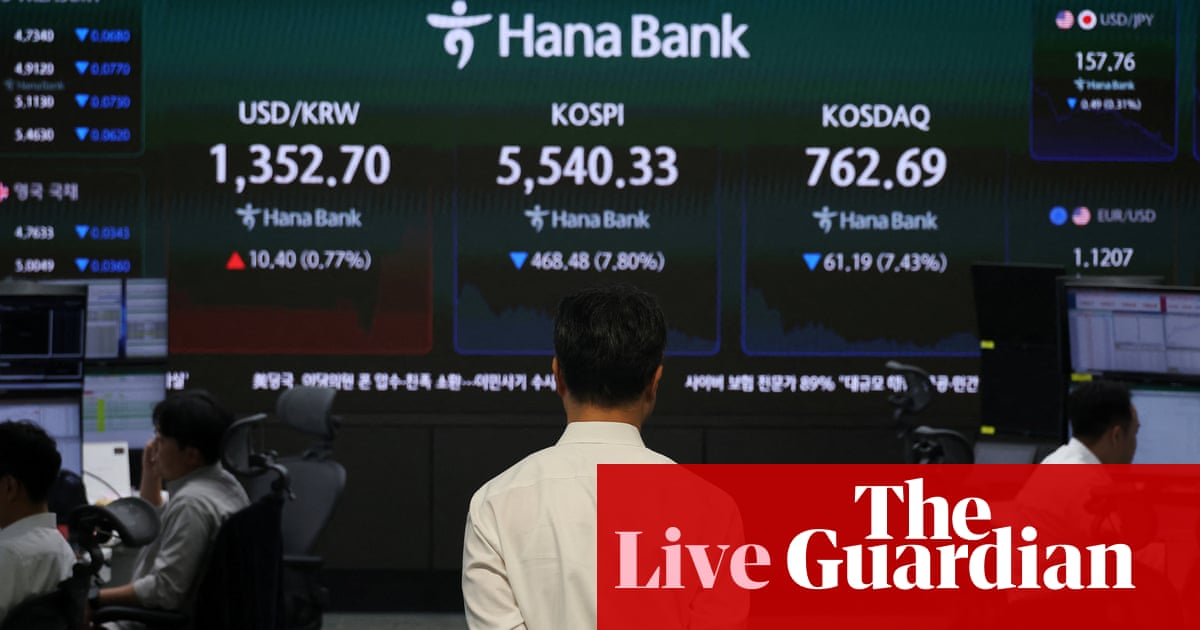
So-called “core” PPI, which excludes volatile food and energy prices, jumped 0.7% from August. From this time one year ago, it rose 5%. The report reinforced some market expectations that the Federal Reserve could hike interest rates sooner than expected, during its October 27-28 meeting.
A rate hike would add more pressure to consumers, who are already facing high borrowing costs due to rising bond yields. The average interest rate on a 30-year fixed mortgage Thursday was 7.45%. Bond yields fell sharply Thursday in early trading, although this was primarily because investors were seen as moving out money of interest rate-sensitive tech stocks and into bonds.
Tech stocks have become highly sensitive to interest rates in recent years because the top players are spending hundreds of billions of dollars — much of it borrowed with interest — to build data centers around the world.
Source: NBC News